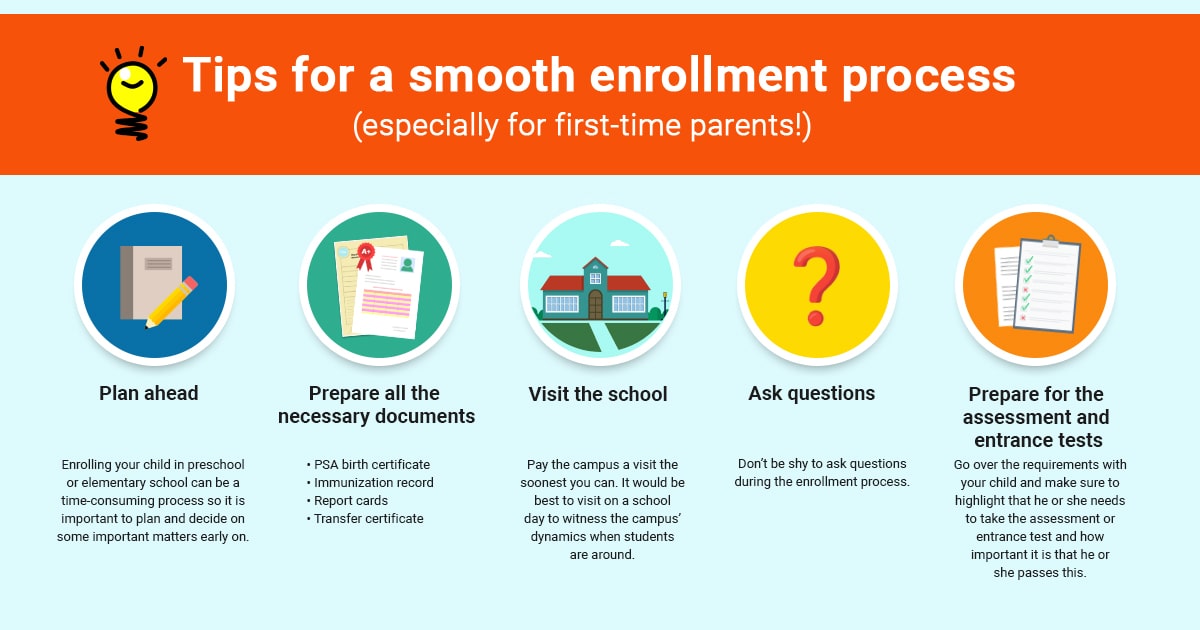
School enrollment is an important milestone for students and families. For parents, it marks the beginning of a child’s educational journey or a transition to a new learning environment. For school administrators, it involves coordinating applications, verifying information, reviewing documents, communicating with families, and preparing students for a successful start.
A well-organized school enrollment and registration process helps schools manage admissions efficiently while making the experience clearer and less stressful for families. When requirements and deadlines are communicated properly, parents know what to prepare, administrators can reduce avoidable delays, and students can begin school with greater confidence.
This step-by-step guide explains how school enrollment works, which documents families may need, how to complete an application, and what schools can do to make registration more accessible and effective.
What Is the School Enrollment and Registration Process?
School enrollment and registration are closely related activities, but they do not always mean exactly the same thing.
School registration generally refers to providing the information and documents a school needs to process a student’s application or create an official student record.
School enrollment refers more broadly to the process of admitting a student and arranging for them to attend a particular school or educational program.
Depending on the institution, the process may include an application, an eligibility review, document verification, an admission decision, fee arrangements, and confirmation of the student’s place.
Some schools use a single online form for registration and enrollment, while others require several steps or an in-person appointment. Public schools, private schools, international schools, and specialized educational institutions may also follow different policies.
Parents should therefore review the instructions issued by their chosen school rather than assume that every institution follows the same procedure.
Step 1: Research Schools and Understand Admission Requirements
The first step is to identify a school that meets the student’s educational needs and the family’s practical requirements.
Parents should consider more than a school’s location or reputation. The curriculum, teaching approach, class size, available student support, school environment, transportation, and total costs may all influence the decision.
Before starting an application, review the school’s official admission information and look for answers to the following questions:
- Which grades or year groups are accepting applications?
- What age requirements apply to the intended grade?
- Are places available for new students?
- Is an entrance assessment or interview required?
- What documents must parents submit?
- Are there application fees, tuition fees, or other charges?
- When does the application period open and close?
- Does the school have specific requirements for transferring students?
If the student has additional learning needs, parents may also wish to ask about available support services, accessibility arrangements, and the process for sharing relevant educational information.
Creating a shortlist of suitable schools can make the decision easier. Compare the information systematically and contact the admissions office when a requirement is unclear.
Step 2: Check Age, Grade Placement, and Eligibility
Before completing the application, confirm that the student meets the school’s admission criteria.
Age requirements are particularly important for kindergarten, preschool, and early primary education. Schools may use a specified cutoff date to determine eligibility for a particular grade. These dates differ by location and educational system.
For older students, placement may depend on previous academic performance, completed coursework, transfer records, or the curriculum they studied at their previous school.
Parents should prepare accurate information about the student’s date of birth, current grade, previous education, and intended entry date.
For students transferring from another country or curriculum, the school may need to review transcripts or assess which grade is the most appropriate. Families should ask how international records are evaluated and whether translations or certified copies are necessary.
Do not assume that a student will automatically enter the grade corresponding to their age. Confirm the placement rules with the school before submitting the final application.
Step 3: Prepare the Required Registration Documents
Gathering documents early can prevent unnecessary delays. Although the exact requirements vary, schools commonly request information that establishes the student’s identity, age, previous education, and parent or guardian contact details.
The following checklist can help families prepare.
Common school enrollment documents
1. Proof of age or identity
This may include a birth certificate, passport, or another officially accepted document.
2. Parent or guardian identification
The school may request identification to verify the person completing the application and their authority to register the student.
3. Proof of residence
Some schools, particularly public schools with defined attendance areas, require evidence of the student’s home address. Accepted documents depend on the school’s local rules.
4. Previous academic records
Transfer students may need report cards, transcripts, examination results, or a school-leaving certificate if required.
5. Health and immunization records
Certain institutions or jurisdictions require vaccination documentation, health forms, or other medical information before attendance.
6. Recent photographs
Some schools request passport-sized photographs for student identification cards or administrative records.
7. Emergency contact information
Parents may need to provide telephone numbers and the details of adults who can be contacted if an emergency occurs.
8. Additional forms, where applicable
Depending on the student’s circumstances, these may include custody documents, transfer records, language-support information, or forms related to educational accommodations.
Not every document on this list will be required by every school. Some information may be requested later rather than being a condition of enrollment. Families should follow the institution’s official checklist and applicable local requirements.
It is also sensible to keep copies of submitted documents and maintain a record of application confirmations, receipts, and important correspondence.
Step 4: Complete the School Enrollment Application
Once the requirements are clear and the documents are ready, parents can complete the application.
Many schools provide online registration systems, while others accept paper forms or require an in-person submission. Follow the method specified by the admissions office.
Most applications request several categories of information.
Student information
Enter the student’s full legal name, date of birth, current address, intended grade, and previous school details where applicable.
Parent or guardian information
Provide accurate names, contact numbers, email addresses, and any additional information requested by the institution.
Emergency contact details
Include reliable contact information for the people authorized to be contacted in an emergency. Make sure these details remain current.
Academic background
For students who have attended another school, enter the requested details about previous grades, academic records, and transfer arrangements.
Supporting documents
Upload or attach the required documents in the specified format. Ensure that photographs or scans are clear, complete, and readable.
Before submitting the form, review every section carefully. An incorrect date of birth, incomplete address, misspelled name, or missing attachment may require additional communication to correct.
After submission, save the confirmation number or acknowledgment if one is provided. If the school does not send a confirmation, contact the admissions office to check whether the application was received.
Step 5: Submit the Application and Complete Any Required Payment
Some schools charge an application or registration fee, while others do not. Tuition deposits, admission fees, and other charges may also apply depending on the institution.
Before making a payment, review the school’s published fee schedule and payment instructions. Confirm which charges are refundable, whether any financial assistance is available, and whether the payment reserves a place or simply covers application processing.
Use the official payment method provided by the school. Keep the receipt or transaction confirmation for your records.
Parents should also check whether the application is considered complete only after payment or whether the payment is handled at a later stage.
If a family has difficulty meeting a deadline or understanding a charge, contacting the admissions office early may help clarify available options. Never assume that paying a fee guarantees admission unless the school explicitly states this in its official policy.
Step 6: Attend an Interview, Assessment, or School Visit if Required
Not every school requires an entrance examination or interview. However, some institutions use assessments, meetings, or classroom visits to understand a student’s educational needs and determine appropriate placement.
Depending on the school and grade level, the process may include:
- An academic assessment in subjects such as mathematics or language.
- A meeting with the student and parent or guardian.
- A review of previous academic records.
- A language proficiency assessment, where relevant.
- A school visit or orientation session.
Parents should ask what the assessment involves, how long it takes, and whether the student needs to bring anything.
For younger children, an assessment may focus on developmental readiness and familiarity with basic learning activities. For older students, it may evaluate subject knowledge or help determine the appropriate course level.
Families should avoid putting unnecessary pressure on children. The purpose of an assessment should be understood from the school’s own explanation, and preparation should be appropriate to the student’s age and the institution’s requirements.
Step 7: Wait for Application Review and Admission Confirmation
After submission, the school typically reviews the application and any required supporting documents.
The review may involve checking eligibility, confirming the student’s identity, evaluating academic records, assessing available places, and identifying any missing information.
Some schools process applications on a rolling basis, while others follow fixed admission periods or use specific selection procedures.
During this stage, parents should monitor their email, telephone messages, or application portal for updates. Respond promptly if the school requests clarification or additional documents.
If the application is delayed, contact the admissions office politely and provide the student’s name, application reference, and submission date where appropriate.
It is important to distinguish between an application acknowledgment and an official admission offer. Receiving confirmation that a form has been submitted does not necessarily mean that the student has been accepted.
Parents should wait for clear confirmation and follow the school’s instructions for accepting an offered place.
Step 8: Confirm the Student’s Place and Complete Outstanding Requirements
Once admission is offered, parents may need to formally accept the place before a specified deadline.
Depending on the school, the remaining steps may include:
- Confirming acceptance of the admission offer.
- Completing outstanding registration forms.
- Submitting any remaining required documents.
- Reviewing tuition fees and payment deadlines.
- Selecting transportation or meal services, if available.
- Providing information required for student support.
- Confirming the student’s start date and timetable.
Read the admission letter carefully. It may explain whether the offer is conditional, what actions are still required, and when the student is expected to begin attending.
Parents should ask questions before signing agreements or making significant payments if any part of the offer is unclear.
Keep the admission letter and other official communication in a safe place. These records may be useful when confirming the student’s grade, start date, or enrollment status.
Step 9: Prepare the Student for the First Day of School
Completing registration is only one part of a successful transition. Students also need to understand what to expect when they begin their new school.
Parents can help by reviewing the school timetable, transport arrangements, uniform policy, required supplies, attendance procedures, and classroom expectations.
If an orientation session is available, attending it can help the student become familiar with the building, teachers, and daily routine.
For younger children, it may be useful to practise the morning routine, discuss how drop-off and collection will work, and explain whom they can approach for help.
Students transferring from another school may need additional support adjusting to new subjects, classmates, teaching methods, or language expectations.
Parents should inform the school about relevant concerns before the start date when possible. Early communication gives teachers and support staff an opportunity to plan appropriate assistance.
A welcoming transition can help students feel more comfortable and ready to participate in learning.
Step 10: Verify Enrollment and Maintain Accurate Student Records
After the student begins school, the family and administration should ensure that enrollment information is accurate and complete.
Parents should confirm that they have received the information needed to access the school’s communication system, timetable, attendance procedures, and relevant parent portal.
Schools should check that the student’s official record contains the required information and that the student has been assigned to the correct grade or class.
Administrators should also ensure that authorized staff can access the information needed to support the student while sensitive records remain protected.
Contact details should be reviewed periodically. Outdated telephone numbers or emergency contacts can create difficulties when a school needs to reach a family.
If a student transfers, withdraws, or changes personal details, parents should follow the school’s official process for updating records.
Accurate student information supports communication, attendance monitoring, academic reporting, and the delivery of appropriate educational services.
How Schools Can Improve the Enrollment and Registration Process
School administrators play an important role in making registration understandable and efficient. A clear process reduces repeated inquiries, incomplete applications, and unnecessary administrative work.
Publish clear admission guidelines
Provide a dedicated admissions page or information document that explains eligibility, deadlines, required documents, fees, application methods, and contact details.
Use straightforward language and organize information into sections so families can quickly locate the instructions they need.
Create a simple document checklist
A checklist helps parents understand which documents are required and which are optional or applicable only in certain circumstances.
Where possible, explain acceptable alternatives and the process for families who cannot immediately obtain a particular record, subject to applicable law and school policy.
Offer accessible application methods
Online registration can make applications more convenient, but not every family has reliable internet access or the same level of digital confidence.
Where resources allow, schools should provide assistance by telephone, email, or in person. Instructions should explain how to upload documents and whom to contact if the system does not work.
Establish a reliable communication process
Let families know when applications are received, whether additional information is needed, and when they can reasonably expect an update.
Use consistent communication channels and provide a clear point of contact for admission-related questions.
Protect student information
Enrollment forms may contain personal, academic, and health-related information. Schools should collect only the information needed for legitimate purposes, use secure systems, restrict access appropriately, and follow applicable privacy requirements.
Staff should be trained to handle documents responsibly and avoid sending sensitive information through inappropriate channels.
Monitor application progress
A centralized tracking system can help admissions teams identify incomplete forms, pending reviews, missing documents, and confirmed placements.
Administrators can review the number of applications received, average processing time, common errors, and frequently asked questions to identify opportunities for improvement.
Common School Registration Mistakes and How to Avoid Them
Families can reduce delays by preparing carefully and checking the school’s instructions before submitting an application.
Submitting an incomplete application
Missing signatures, unanswered required fields, or unreadable attachments can delay processing. Review the form against the official checklist before submission.
Missing admission deadlines
Some schools have limited places or specific application windows. Record important dates and contact the admissions office if circumstances may prevent timely submission.
Providing inconsistent information
Names, dates of birth, addresses, and academic details should match the relevant official records. If a discrepancy exists, ask the school how it should be explained or corrected.
Assuming every school requires the same documents
Requirements differ by institution, grade level, location, and student circumstances. Use the chosen school’s current instructions rather than relying entirely on another school’s checklist.
Ignoring messages from the admissions office
A request for clarification or an additional document may be time-sensitive. Check the communication channels provided during registration and respond promptly.
Confusing registration with confirmed admission
Submitting an application does not always mean that a place has been offered. Wait for official confirmation and complete any required acceptance steps.
Failing to prepare for the transition
Students may need time to adjust to a new environment. Review routines, discuss expectations, and communicate relevant support needs before the first day.
School Enrollment Checklist for Parents
Use this general checklist to organize the process. Some items may not apply to every school.
- Research schools and review admission criteria.
- Confirm age eligibility and grade placement.
- Check application dates and important deadlines.
- Gather the required identity and age documents.
- Prepare proof of residence if required.
- Collect previous school records where applicable.
- Prepare required health forms or immunization records.
- Complete and review the application.
- Submit documents using the school’s approved method.
- Pay any applicable fees and retain receipts.
- Attend any required assessment or interview.
- Review the official admission decision.
- Accept the offered place and complete outstanding requirements.
- Confirm the start date, timetable, and school procedures.
- Update contact information and prepare for the first day.
Keeping this checklist in one place can help parents track progress and avoid overlooking important steps.
Frequently Asked Questions About School Enrollment and Registration
What is the first step in enrolling a child in school?
Start by researching suitable schools and reviewing their admission requirements. Confirm the student’s eligibility, application deadlines, and required documents before beginning the registration form.
Which documents are usually needed for school registration?
Commonly requested documents include proof of age or identity, parent or guardian details, proof of residence where required, previous academic records for transfer students, and applicable health forms. The exact list depends on the institution and local rules.
Can parents register a child online?
Many schools offer online registration, but some require paper forms, document checks, or an in-person appointment. Follow the official instructions provided by the chosen school.
How long does the school enrollment process take?
Processing times vary depending on the school, application volume, document completeness, admission requirements, and availability of places. Families should check the school’s published timeline and ask the admissions office if they need an estimate.
What should parents do if a required document is missing?
Contact the school before assuming that the application cannot proceed. Ask whether an alternative document, later submission, or another approved arrangement is possible. The answer depends on the school’s policies and applicable regulations.
Is registration confirmation the same as admission?
Not necessarily. A registration receipt may only confirm that an application was received. Parents should look for an official admission decision and complete any additional steps required to secure the student’s place.
What should parents do after admission is confirmed?
Review the admission letter, complete outstanding requirements, confirm the start date, arrange transportation if needed, and prepare the student for the school’s daily routines.
Conclusion
A clear school enrollment and registration process helps families understand admission requirements and allows schools to manage student intake more effectively. From researching suitable institutions and preparing documents to receiving admission confirmation and getting ready for the first day, each step contributes to a smoother transition.
Parents can avoid many common delays by checking official guidelines, submitting accurate information, keeping records of important communication, and responding promptly to requests from the admissions office.
Schools can further improve the experience by publishing clear instructions, offering accessible registration support, protecting student information, and tracking applications consistently.
With careful preparation and good communication, enrollment becomes more than an administrative task. It becomes the first step toward a positive and well-organized educational experience for every student.
Leave a Reply