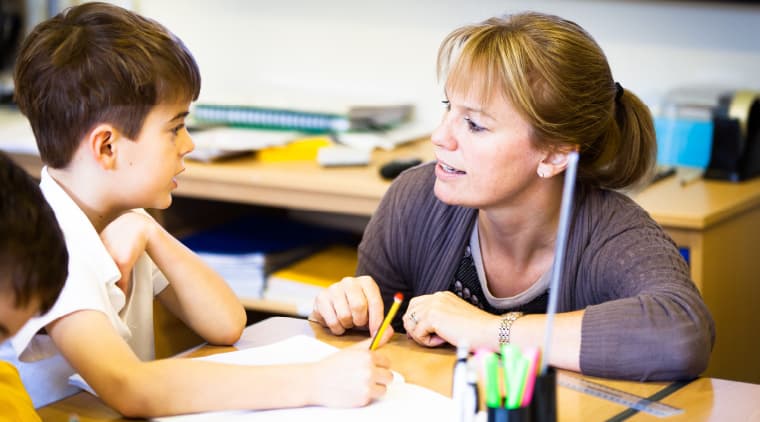
Changing schools can be an important turning point in a student’s educational journey. Whether a child is moving to a new elementary school, entering middle school, starting high school, or relocating to another community, the transition can bring new opportunities as well as uncertainty. Students may need to adjust to unfamiliar teachers, different academic expectations, new friendships, and changes in daily routines.
For some students, the adjustment happens quickly. Others may experience anxiety, loneliness, reduced confidence, or temporary difficulties with schoolwork. These reactions can affect classroom participation, attendance, relationships, and overall well-being.
Helping students transition between schools requires cooperation among teachers, school administrators, families, and student support professionals. With thoughtful planning, clear communication, and consistent encouragement, schools can make the transition more manageable and help students feel welcomed, connected, and ready to learn.
This guide explores practical strategies schools and families can use before, during, and after a school transition to support academic progress, social adjustment, emotional well-being, and long-term student success.
Why School Transitions Matter
School transitions involve more than moving from one building to another. Students must learn how a new educational environment operates while adjusting to changes in relationships, expectations, and responsibilities.
A student entering middle school, for example, may move between several classrooms, work with multiple teachers, and become responsible for managing a more complicated timetable. A student transferring to a different school district may encounter a new curriculum, unfamiliar assessment methods, or different expectations for homework.
These changes can create challenges in several areas.
Academic Adjustment
Students may discover that their new school teaches subjects in a different sequence or expects different levels of independence. Even when students have strong academic skills, gaps between curricula can make certain topics more difficult.
Teachers can reduce these challenges by reviewing previous learning, identifying differences in curriculum expectations, and providing additional instruction when necessary.
Social Adjustment
Entering an established classroom can make it difficult for students to form friendships. They may worry about fitting in, understanding social expectations, or finding classmates with similar interests.
Positive peer relationships help students feel connected to school. Welcoming routines and structured opportunities for interaction can make it easier for new students to participate.
Emotional Well-Being
Uncertainty about teachers, friendships, school rules, and academic performance can cause stress. Some students may express their concerns directly, while others become quiet, withdraw from activities, or show changes in behavior.
Schools should recognize that adjustment takes time and that students respond differently to change.
Changes in Independence and Responsibility
Moving to a new grade level often involves greater responsibility. Students may need to organize materials, manage assignments, navigate larger buildings, or communicate with several teachers.
Teaching these skills explicitly can prevent avoidable frustration and help students develop confidence in their ability to manage new demands.
1. Prepare Students Before the School Transition
Preparation can reduce uncertainty by helping students understand what to expect. Whenever possible, schools should begin transition planning before the first day at the new school.
A student who knows where to go, whom to ask for help, and how the school day works may feel more prepared than a student who must discover everything independently.
Organize School Visits and Orientation Activities
Schools can arrange visits that allow students to become familiar with the building, classrooms, library, cafeteria, playground, and other important spaces.
Orientation activities may include:
- A guided tour of the school.
- An introduction to key teachers and support staff.
- A demonstration of how to read the timetable.
- Information about transportation and arrival procedures.
- An explanation of attendance and dismissal routines.
- Opportunities to ask questions in a relaxed setting.
When in-person visits are not possible, schools can provide virtual tours, maps, photographs, or short introductory videos.
For younger students, visual schedules and simple explanations may be especially useful. Older students may prefer practical information about course selection, assessment expectations, extracurricular activities, and school technology.
The purpose of orientation is not to explain every policy at once. It is to give students enough information to approach their first days with greater confidence.
Explain What Will Change and What Will Stay the Same
Students may find change easier to manage when they understand which parts of their routine will be different and which familiar elements will remain.
Teachers and families can discuss the new school schedule, learning expectations, and transportation arrangements while maintaining reassuring routines at home.
For example, a student may attend a new school but continue familiar activities such as reading before bed, playing a favorite sport, or talking with family members after school.
Recognizing these sources of continuity can help students feel that a school change does not mean losing every familiar part of their lives.
2. Build a Welcoming School Environment
The first days at a new school can strongly influence a student’s sense of belonging. Schools should establish routines that make new students feel noticed, respected, and included.
A welcoming environment does not depend on one greeting or orientation session. It develops through consistent interactions with teachers, classmates, administrators, and other school staff.
Introduce New Students to Classmates
Teachers can help students make connections by using structured activities that encourage cooperation without forcing anyone to share personal information.
Examples include:
- Pairing students for a classroom task.
- Organizing small-group discussions.
- Using introductory activities based on hobbies or interests.
- Creating collaborative projects with clear roles.
- Inviting students to participate in clubs or school activities.
Teachers should avoid assuming that every student feels comfortable speaking in front of a large group. Smaller interactions may be more suitable for students who are shy or anxious.
Establish a Buddy System
A peer buddy can help a new student navigate everyday school routines.
Depending on the student’s age, a buddy might explain where classrooms are located, show how lunch procedures work, introduce classmates, or answer basic questions about school activities.
Schools should provide clear guidance to students serving as buddies. They should not be expected to resolve bullying, provide counseling, or manage serious concerns independently.
Buddy arrangements should also be monitored to ensure that the new student is not left dependent on a single classmate. Encouraging connections with several peers helps broaden the student’s social network.
Make Belonging Part of Everyday Practice
Schools should not limit inclusion efforts to students who have recently transferred.
Teachers can build a supportive classroom culture by encouraging respectful communication, addressing exclusion, celebrating different strengths, and creating opportunities for students to contribute.
When classrooms are welcoming to everyone, new students have more opportunities to develop relationships naturally.
3. Identify Academic Gaps and Provide Targeted Support
A student entering a new school may have learned the same subjects through a different curriculum or teaching approach. Schools should avoid assuming that previous grades alone provide a complete picture of the student’s knowledge.
Instead, teachers can use a combination of records, conversations, classwork, and low-pressure assessments to understand current learning needs.
Review Previous Academic Records
Where appropriate and permitted, school staff should review available records to understand the student’s educational background.
Relevant information may include:
- Previous courses and curriculum topics.
- Recent assessment results.
- Learning strengths and areas requiring additional practice.
- Existing educational support plans.
- Language-learning needs.
- Completed projects or relevant samples of student work.
Records should be shared securely and accessed only by authorized staff.
Teachers should remember that assessment systems vary between schools. Differences in grading scales, teaching methods, and curriculum coverage may make direct comparisons difficult.
Use Formative Assessment
Short activities can help teachers identify what a student already understands and where further instruction is needed.
For example, a mathematics teacher might use a brief problem-solving activity to identify gaps in prerequisite skills. A language arts teacher might review reading comprehension, writing samples, or vocabulary knowledge.
The purpose should be to guide instruction rather than label the student as behind.
Teachers can then provide targeted support through small-group instruction, additional practice, adapted materials, or opportunities to revisit essential concepts.
Avoid Overloading Students With Catch-Up Work
Students who change schools may already be managing unfamiliar routines and social expectations. Giving them large amounts of extra work immediately can increase stress.
Instead, teachers should prioritize essential learning objectives, coordinate support across subjects, and create a manageable plan for addressing gaps.
Regular progress checks can help staff determine whether the student needs additional assistance or can gradually move toward the same expectations as classmates.
4. Support Students’ Emotional Well-Being
A school transition can bring excitement, worry, frustration, or several emotions at once. Students may miss former classmates, feel uncertain about making friends, or worry that they will not meet new academic expectations.
Schools and families should create opportunities for students to express these feelings without being made to feel that their concerns are unreasonable.
Normalize Common Transition Feelings
Teachers and parents can explain that feeling nervous in an unfamiliar environment is common and does not mean that a student will be unsuccessful.
A student may feel comfortable in class but anxious during lunch or between lessons. Another may enjoy meeting new people but worry about the difficulty of schoolwork.
Asking specific, open-ended questions can help adults understand these experiences.
For example:
- “What part of the new school feels easiest so far?”
- “Is there a time of day when you feel unsure about what to do?”
- “Have you found anyone you enjoy spending time with?”
- “What would make tomorrow a little easier?”
These questions invite practical discussion without suggesting that the student should already have adjusted completely.
Teach Simple Coping Strategies
Students can learn ways to manage uncertainty and everyday stress.
Useful approaches include breaking unfamiliar tasks into smaller steps, preparing school materials the night before, identifying a trusted adult, using age-appropriate breathing exercises, and making a short plan for the next school day.
Adults should also help students distinguish between problems they can solve independently and situations where they should ask for assistance.
If distress is persistent, severe, or interfering significantly with attendance, learning, sleep, or relationships, families and schools should consider support from an appropriate school counselor or qualified professional.
Recognize Different Adjustment Timelines
There is no universal timeline for feeling comfortable at a new school. Some students develop friendships quickly, while others need more time to observe classroom routines and build trust.
Schools should avoid comparing one student’s adjustment with another’s.
Instead, look for gradual progress, such as increased participation, greater confidence asking questions, improved familiarity with routines, or growing willingness to join activities.
5. Strengthen Communication Between Families and Schools
Families often notice changes that teachers may not see during the school day. A student who appears comfortable in class may talk about worries at home, struggle to complete homework, or become unusually tired.
Teachers, in turn, can share observations about classroom participation, friendships, academic progress, and school routines.
Consistent communication helps both sides understand the student’s adjustment more completely.
Establish a Clear Contact Person
New families should know whom to contact when they have questions about schedules, assignments, transportation, learning support, or school policies.
Depending on the concern, the appropriate contact may be the classroom teacher, school office, grade-level coordinator, counselor, or another designated staff member.
Providing clear contact information prevents families from having to approach several departments to resolve a straightforward issue.
Schedule Early Check-Ins
Schools can arrange a brief check-in during the first few weeks after a transfer.
These conversations can explore whether the student understands daily routines, has made social connections, can access learning resources, and knows how to request help.
Check-ins should be supportive rather than intrusive. Students and families need opportunities to raise concerns without feeling that every aspect of their adjustment is being evaluated.
Communicate in Accessible Ways
Families may have different language preferences, schedules, or levels of familiarity with school procedures.
Schools can support participation by offering clear written information, translated materials or interpretation where available, and alternative meeting arrangements when appropriate.
Communication should focus on practical information and shared problem-solving.
6. Teach Organization and Study Skills Explicitly
School transitions frequently introduce new systems for homework, assessment, and time management. A student who was successful with a simple daily routine may struggle when expected to track assignments from several teachers.
Schools should teach organizational skills instead of assuming that students will automatically adapt.
Explain Timetables and School Routines
Students should learn how to read their schedules, identify classroom locations, understand break times, and follow arrival and dismissal procedures.
Older students may also need guidance on managing rotating timetables, assignment deadlines, online learning platforms, and examination calendars.
Visual schedules, written checklists, and guided practice can help students become familiar with these systems.
Develop a Manageable Homework Routine
Families can help students establish a regular time and place for completing schoolwork.
The routine should account for transportation, extracurricular activities, rest, family responsibilities, and the student’s age.
Teachers can support this process by explaining homework expectations clearly and avoiding unnecessary inconsistencies in how assignments are communicated.
A planner, calendar, or school-approved digital tool can help students track tasks and deadlines.
Encourage Independence Gradually
Students need opportunities to take responsibility for their learning, but the amount of independence expected should reflect their developmental stage and previous experience.
A younger student may need reminders to pack materials, while an older student may benefit from learning how to break a major assignment into stages.
Adults can gradually reduce prompts as students demonstrate greater confidence and reliability.
The objective is to help students develop skills they can use beyond the immediate school transition.
7. Provide Additional Support for Students With Different Needs
Some students face additional challenges when changing schools. These may include disabilities, learning differences, language barriers, interrupted education, health-related needs, or major family changes.
Schools should plan for these needs before the transition whenever possible.
Coordinate Learning Accommodations
When a student has an existing support plan, authorized staff should coordinate the information needed to implement relevant accommodations.
This may involve discussing accessible learning materials, classroom seating, assessment arrangements, assistive technology, or other agreed support measures.
Schools should follow applicable legal requirements and institutional procedures while protecting the student’s privacy.
Support Students Learning a New Language
Students who are learning the language used for instruction may understand subject concepts but struggle to express their knowledge in that language.
Teachers can use visual resources, clear instructions, vocabulary previews, demonstrations, and structured opportunities for discussion.
Where appropriate, schools should coordinate language-learning support with subject teachers so that students can participate in academic activities while developing language proficiency.
Help Students With Disabilities Navigate the New Environment
A new building, different classroom routines, unfamiliar staff, or changes in sensory conditions can create additional barriers.
Schools should consider accessibility, transitions between rooms, communication preferences, and the student’s established support strategies.
Where possible, allow students to become familiar with important spaces and routines before the first full school day.
Coordinate Support Across Staff Members
A student should not have to explain the same needs repeatedly to every adult they encounter.
With appropriate consent, authorization, and privacy safeguards, relevant staff can coordinate information so that support is consistent across classrooms and activities.
The level of support should be based on individual needs rather than assumptions about a student’s background or circumstances.
8. Help Students Build Friendships and Social Connections
Social connection is an important part of feeling comfortable at school. Students who have opportunities to build friendships may find it easier to participate in lessons, join activities, and develop a sense of belonging.
However, schools should recognize that friendships develop at different rates.
Use Cooperative Classroom Activities
Structured group work can give new students opportunities to interact with classmates around a shared purpose.
Teachers can assign clear roles, rotate partners, and design activities that allow different students to contribute their strengths.
This approach can be more effective than simply telling a new student to make friends.
Encourage Participation in Clubs and Activities
Sports teams, arts programs, music groups, academic clubs, and other extracurricular activities can help students connect with peers who share their interests.
Schools should explain how students can join these activities and provide information about any costs, schedules, or participation requirements.
Where possible, offering a range of activities helps students with different interests find a suitable place to participate.
Monitor Bullying and Social Exclusion
New students may not immediately know how to report bullying or whom to approach when they feel excluded.
Schools should explain reporting procedures clearly and respond promptly to concerns.
Teachers should also observe classroom interactions and address behavior that undermines safety or belonging.
A peer buddy system can help, but it should not replace adult responsibility for preventing and responding to bullying.
9. Monitor Progress During the First Semester
A successful transition requires attention beyond the first day or orientation week. Students may initially appear comfortable but encounter difficulties as academic demands increase or social relationships change.
Schools can use regular check-ins to understand how adjustment is progressing.
Review Academic Progress
Teachers should monitor assignments, assessment results, classroom participation, and understanding of essential concepts.
If a student experiences difficulties, staff can determine whether the issue relates to curriculum differences, unfamiliar expectations, missing prerequisite knowledge, or another factor.
Support can then be adjusted accordingly.
Observe Attendance and Engagement
Changes in attendance, frequent lateness, reduced participation, or repeated requests to leave class may indicate that a student is having difficulty adjusting.
These signs do not prove that a transition is the cause. Staff should explore the circumstances sensitively and avoid making assumptions.
Gather Student Feedback
Students should have an opportunity to describe what is going well and what remains challenging.
Short conversations or age-appropriate surveys can ask whether students know where to get help, understand their schedule, feel included, and have access to the materials they need.
Adjust Support as Needed
Some students may need additional check-ins, academic support, social opportunities, or help organizing their workload.
Others may be ready for greater independence.
Reviewing progress allows schools to respond to the student’s actual needs rather than continuing the same support plan regardless of results.
10. Make Transition Support a Whole-School Responsibility
Although individual teachers play a major role, student transitions are more manageable when the whole school works together.
Administrators can establish consistent procedures for welcoming new students, transferring records, communicating with families, and coordinating academic and social support.
A school transition plan should clarify:
- Who contacts the family before the student’s first day.
- Who reviews and transfers relevant educational information.
- Who explains school routines and essential procedures.
- Who coordinates accommodations and additional learning support.
- How the student will be introduced to classmates.
- When progress will be reviewed.
- How families and students can raise concerns.
Schools should also consider transitions between grade levels within the same institution. Moving from elementary to middle school or from middle to high school can involve major changes even when students remain in the same community.
A coordinated approach reduces the likelihood that important information will be missed and helps students experience a more consistent support system.
A Practical School Transition Plan: Before, During, and After the Move
The following framework can help schools organize support across the transition period.
| Stage | Key Actions | Intended Benefit |
|---|---|---|
| Before the move | Review records, contact the family, explain expectations, identify support needs, and arrange orientation | Reduces uncertainty and prepares staff |
| First day | Welcome the student, review the schedule, introduce key staff, and explain how to ask for help | Builds familiarity and confidence |
| First two weeks | Check classroom routines, peer connections, materials, and homework expectations | Identifies early difficulties |
| First month | Review academic progress, family feedback, and student well-being | Allows support to be adjusted |
| First semester | Monitor learning, attendance, relationships, and independence | Supports longer-term adjustment |
The timeline should be adapted to the student’s age, the reason for the move, and the complexity of the transition.
A student moving during a school year may need a different approach from a group of students entering a new grade level together.
Common Mistakes to Avoid When Supporting School Transitions
Even well-intentioned schools and families can unintentionally make the adjustment harder.
Expecting Immediate Adjustment
Students may need time to learn routines, form friendships, and become comfortable with new expectations. Adults should recognize gradual progress rather than expecting everything to feel normal immediately.
Assuming Academic Records Tell the Whole Story
Previous grades and assessments provide useful information but may not reflect curriculum differences, learning interruptions, or the student’s current needs.
Teachers should combine records with classroom observations and appropriate assessment.
Overloading Students With Information
Providing every school rule and procedure on the first day can be overwhelming. Introduce essential information first and reinforce other details as students encounter them.
Ignoring Social Belonging
Academic support is important, but students also need opportunities to develop relationships and feel accepted. Schools should pay attention to inclusion and peer interactions.
Comparing New Students With Their Classmates
Students enter school with different experiences, strengths, and support needs. Comparisons can undermine confidence and may not provide a meaningful measure of progress.
Treating Every Difficulty as a Transition Problem
A student may struggle for reasons unrelated to changing schools. Teachers should investigate concerns carefully and consider whether additional academic, social, or professional support is needed.
Ending Support Too Early
An orientation session may help with initial familiarity, but new difficulties can emerge later. Schools should plan follow-up rather than assuming that the student is fully adjusted after the first week.
How to Measure the Success of School Transition Support
Schools can evaluate their transition procedures by examining whether students feel informed, connected, and able to participate in learning.
No single indicator provides a complete picture. A student may achieve good grades while feeling socially isolated, or may initially need academic support while developing strong relationships and confidence.
Useful indicators include:
| Area | Possible Indicator | What It Helps Identify |
|---|---|---|
| Orientation | Percentage of new students receiving essential orientation | Whether preparation procedures are consistent |
| Academic adjustment | Progress toward relevant learning goals | Whether instructional support is effective |
| Social belonging | Student feedback about peer connections and inclusion | Whether students feel welcomed |
| Attendance | Patterns of attendance and lateness | Whether additional investigation may be needed |
| Family communication | Feedback about clarity and access to support | Whether families know how to seek help |
| Student well-being | Appropriate check-in feedback and referrals | Whether students may need additional assistance |
| Support coordination | Completion of agreed transition actions | Whether responsibilities are being followed |
Schools should interpret these measures carefully and protect student confidentiality.
The purpose is not to rank students by how quickly they adjust. It is to identify barriers, improve support, and ensure that each student has a reasonable opportunity to succeed.
Frequently Asked Questions About Helping Students Transition Between Schools
How can parents help a child adjust to a new school?
Parents can talk openly about the change, visit the school when possible, establish predictable daily routines, and encourage their child to ask questions. They can also maintain communication with teachers and give the child time to develop friendships and confidence.
How long does it take a student to adjust to a new school?
There is no fixed adjustment period. Some students become comfortable within a few days, while others need several weeks or longer. Age, previous experiences, curriculum differences, social relationships, and individual support needs can all influence the process.
What should schools do before a new student arrives?
Schools should review relevant educational information, contact the family, explain essential procedures, identify necessary accommodations, prepare classroom staff, and arrange orientation when possible. These steps help reduce confusion and support a smoother start.
How can teachers support students who feel anxious about changing schools?
Teachers can explain routines clearly, create opportunities for questions, identify a trusted adult, encourage manageable social interactions, and check in regularly. If distress persists or significantly affects daily functioning, the school should involve appropriate support professionals.
How can schools help new students make friends?
Teachers can use cooperative activities, introduce students to classmates with shared interests, explain clubs and extracurricular opportunities, and monitor social inclusion. Peer buddy systems can also help when they are appropriately supervised.
What support do students with learning differences need during a transition?
Support should reflect each student’s individual needs. Schools may need to coordinate relevant records, accommodations, accessible materials, assistive technology, or specialist services. Information should be shared securely and in accordance with applicable requirements.
How can schools support students who transfer in the middle of the year?
Schools can provide an individual orientation, review the curriculum already covered, identify essential learning gaps, introduce classroom routines, and arrange early check-ins. A designated staff contact can help the student and family navigate questions as they arise.
What are signs that a student may be struggling with a school transition?
Possible signs include persistent anxiety, social withdrawal, reduced classroom participation, changes in attendance, difficulty completing work, or repeated concerns about school. These signs can have many causes, so adults should speak with the student and explore the situation before deciding what support is appropriate.
Conclusion
Supporting students during school transitions requires planning, patience, and cooperation between educators and families. A new school can introduce unfamiliar academic expectations, social relationships, routines, and responsibilities, but these challenges become more manageable when students receive clear guidance and consistent support.
Helping students transition between schools begins with preparation and a welcoming first experience. It continues through targeted academic assistance, emotional support, opportunities for friendship, accessible family communication, and regular reviews of student progress.
Schools should recognize that students adjust at different rates and that effective support must respond to individual needs. A student who needs additional time or assistance is not necessarily falling behind; they may simply need a clearer pathway into the new environment.
By coordinating staff responsibilities, listening to students and families, and maintaining support beyond the first few days, schools can create a stronger sense of belonging and help students build the confidence, relationships, and skills needed for continued educational success.
