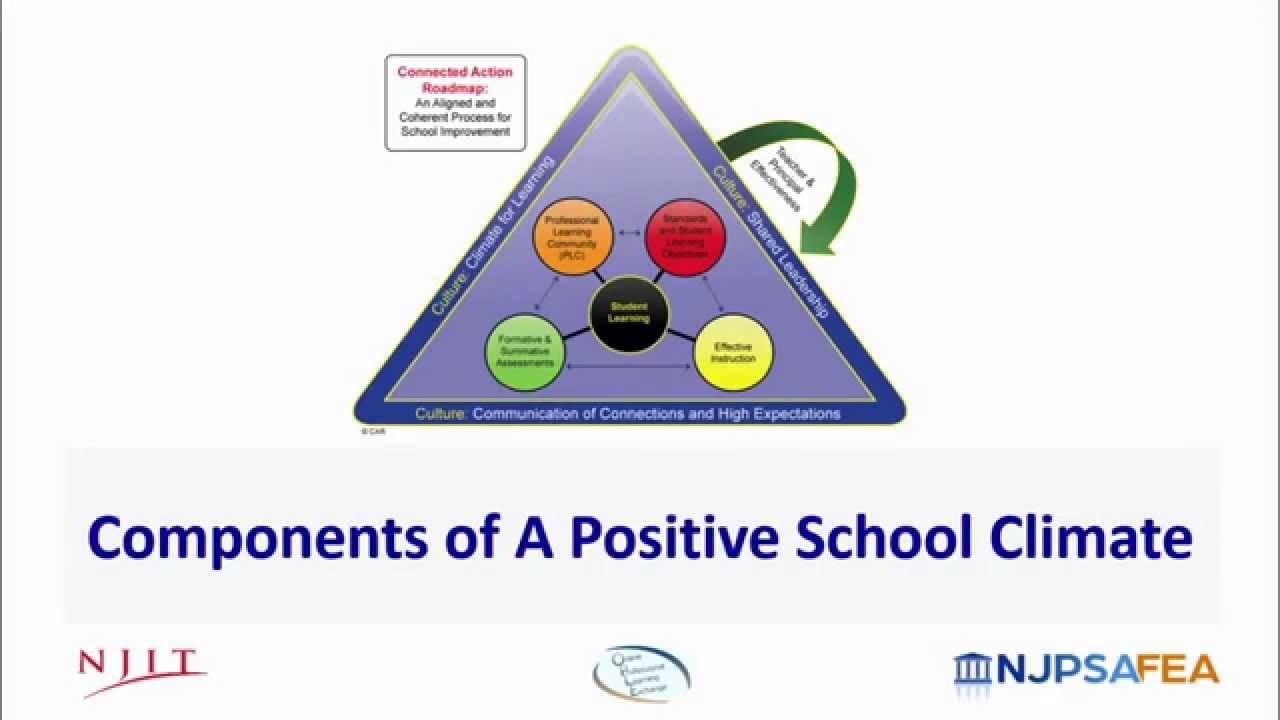
A positive school environment helps students feel safe, respected, included, and ready to learn. It influences how students interact with teachers, how classmates treat one another, and how families connect with the school community. Although school policies and leadership decisions play an important role, the atmosphere of a school is also shaped by small actions that happen every day.
Effective positive school climate strategies focus on building trusting relationships, setting clear expectations, encouraging student participation, and making sure every student feels valued. These practices do not always require expensive programs or major changes. Simple habits, such as greeting students warmly, listening carefully to their concerns, recognizing their efforts, and responding fairly to problems, can help create a more supportive learning environment.
When teachers, school leaders, students, and families work together, everyday practices can become part of a consistent school culture that supports learning, well-being, and community participation.
What Is a Positive School Climate?
School climate refers to how people experience the social, emotional, physical, and academic environment of a school. It includes the quality of relationships, students’ sense of safety, expectations for behavior, fairness of school rules, and opportunities to participate in school life.
A positive school climate exists when students and staff feel respected, supported, and included. Students understand what is expected of them, know where to seek help, and have opportunities to contribute to their learning community.
A healthy climate also benefits teachers and other staff members. When adults communicate respectfully, collaborate effectively, and receive appropriate support, they are better positioned to create consistent learning experiences for students.
School climate is different from school culture, although the two concepts are closely connected. School culture includes the shared values, traditions, and beliefs of a school, while school climate describes how those values are experienced in everyday interactions.
For example, a school may state that it values respect. That value becomes part of a positive climate when teachers listen to students, students treat classmates fairly, and staff address inappropriate behavior consistently.
Why Is a Positive School Climate Important?
The atmosphere of a school can influence students’ motivation, participation, relationships, and overall experience of learning. Students who feel connected to their school are more likely to view it as a place where they belong and where adults care about their progress.
A supportive climate can contribute to several important outcomes.
1. Greater Student Engagement
Students are more likely to participate when they feel comfortable asking questions, sharing ideas, and making mistakes during the learning process.
Teachers can encourage engagement by offering constructive feedback, creating opportunities for discussion, and making lessons relevant to students’ interests and experiences.
2. Stronger Relationships
Positive relationships between students and teachers help build trust. When students believe that adults will listen and respond fairly, they may be more willing to seek help with academic or personal challenges.
Respectful relationships among classmates also support cooperation and reduce the likelihood that students will feel isolated.
3. A Greater Sense of Belonging
Belonging means feeling accepted, valued, and connected to a community. Schools can strengthen belonging by welcoming new students, celebrating individual progress, encouraging peer support, and ensuring that different student perspectives are respected.
4. Clearer Expectations for Behavior
Students benefit when school expectations are understandable, consistent, and fair. Clear routines reduce confusion and help students understand how their actions affect others.
Rather than relying only on punishment, schools can teach appropriate behavior, explain the reasons behind expectations, and help students learn from mistakes.
5. A More Supportive Learning Environment
When students feel safe and supported, they can focus more effectively on classroom activities. A positive climate does not remove every learning challenge, but it can help students feel more comfortable seeking assistance and persisting when work becomes difficult.
10 Positive School Climate Strategies Teachers Can Use Every Day
Improving school climate does not depend on a single activity. It requires regular practices that communicate respect, consistency, fairness, and support.
1. Greet Students Warmly
The way students are welcomed into a classroom can influence the tone of the day. A friendly greeting, a smile, or a brief personal acknowledgment helps communicate that each student is noticed.
Teachers can greet students at the classroom door, acknowledge them as they enter, and provide clear instructions for getting started. These routines help create a predictable and welcoming beginning to lessons.
A greeting does not need to involve a lengthy conversation. The important part is that students experience a respectful and consistent welcome.
Teachers should also remain attentive to students who seem unusually quiet, distressed, or disconnected. A brief, private check-in may help identify whether a student needs additional support.
2. Build Strong Teacher-Student Relationships
Trust develops through repeated interactions. Students are more likely to feel supported when teachers show genuine interest in their learning, listen carefully, and respond respectfully to their concerns.
Teachers can strengthen relationships by learning students’ names, asking about their interests, remembering important learning goals, and offering feedback that focuses on improvement.
For example, when a student struggles with an assignment, a teacher might identify one thing the student has done well and then explain the next step. This approach communicates high expectations without making the student feel incapable.
Strong relationships do not mean removing boundaries. Teachers can remain firm about classroom expectations while treating students with patience and dignity.
3. Establish Clear and Consistent Classroom Expectations
Students need to understand what respectful and responsible behavior looks like. Vague instructions such as “behave properly” may be difficult to interpret, particularly for younger learners.
Teachers can establish a small number of specific expectations, such as listening when others speak, using respectful language, following safety procedures, and taking responsibility for classroom materials.
Where appropriate, teachers can involve students in discussing how these expectations support learning. Students may be more willing to follow shared agreements when they understand their purpose.
Consistency is equally important. Similar situations should receive fair responses, while individual circumstances and support needs are considered. Predictable expectations help students understand what to expect from adults and from one another.
4. Recognize Effort, Improvement, and Positive Contributions
Recognition helps students understand which behaviors and learning habits are valued. However, praise is most useful when it is specific, sincere, and connected to an action the student can repeat.
Instead of saying only “Good job,” a teacher might say, “You listened to your partner’s idea and helped your group find a solution.”
Teachers can recognize persistence, cooperation, responsible decision-making, creativity, and improvement. This helps students see that success involves more than receiving high grades or finishing work quickly.
Recognition should also be fair. If attention is always given to the same high-performing students, others may feel overlooked. Teachers should notice different strengths and contributions across the classroom.
5. Encourage Respectful Communication
A positive school climate depends on how people speak and listen to one another. Students need opportunities to practise expressing disagreement without insults, listening without interrupting, and asking questions without fear of embarrassment.
Teachers can model these skills during discussions and group activities. They can also provide sentence starters such as:
- “I understand your point, but I think…”
- “Can you explain what you mean?”
- “I have a different idea because…”
- “Let’s find a solution that works for both of us.”
When disagreements occur, teachers should help students focus on the issue rather than attacking one another personally.
Respectful communication is not limited to students. Adults also contribute to school climate through the way they speak to colleagues, families, and learners.
6. Make Classroom Participation Inclusive
Students differ in confidence, communication preferences, language skills, and learning needs. If classroom participation depends entirely on answering questions aloud, some students may have fewer opportunities to contribute.
Teachers can offer different ways to participate, including partner discussions, written responses, small-group activities, anonymous question submissions, and individual reflection.
For example, students can first write down their ideas before discussing them with a partner. This gives quieter students time to organize their thoughts before speaking to a larger group.
Teachers should also use examples and learning materials that reflect a range of experiences and perspectives. Inclusive participation helps students understand that their contributions are welcome and that learning communities benefit from different viewpoints.
7. Respond to Conflict With Fairness and Care
Disagreements, misunderstandings, and behavior problems can occur in any school. How adults respond to these situations can either strengthen trust or make students feel unfairly treated.
Teachers should address concerns promptly, calmly, and consistently. When appropriate, they can give students an opportunity to explain what happened, identify the impact of their actions, and discuss how the situation can be improved.
Restorative conversations may help students understand harm, rebuild relationships, and agree on practical next steps. However, serious safety concerns, bullying, abuse, or repeated harmful behavior require appropriate school procedures and professional support.
Fairness does not mean treating every situation identically. It means applying clear principles while considering relevant circumstances, protecting student safety, and ensuring that all students are treated with dignity.
8. Create Opportunities for Student Voice
Students have valuable perspectives on classroom routines, school activities, peer relationships, and learning challenges. Giving them appropriate opportunities to share those perspectives can help schools identify issues that adults may not notice.
Teachers can invite students to suggest discussion topics, reflect on group activities, provide feedback on classroom routines, or help establish shared expectations.
At the school level, student councils, class representatives, surveys, and suggestion systems can provide additional ways for students to contribute.
Student voice should lead to genuine consideration rather than token participation. When an idea cannot be adopted, teachers or school leaders should explain the reasons clearly.
This practice builds trust and helps students learn that participation involves both sharing ideas and understanding how decisions are made.
9. Maintain a Clean, Organized, and Welcoming Environment
The physical environment can influence how students experience their school. Clean classrooms, accessible materials, safe walkways, and well-organized shared spaces help create conditions that support learning.
Teachers can establish simple routines for organizing supplies, returning materials, and keeping learning areas tidy. Students can participate in age-appropriate classroom responsibilities, helping them develop a sense of ownership.
Schools can also consider whether classroom layouts allow students to see instructions clearly, move safely, and participate in different types of learning activities.
A welcoming environment does not need expensive decorations. Clear organization, student work displays, comfortable learning arrangements, and respectful representation of different backgrounds can make a meaningful difference.
10. Communicate Regularly With Families
Families are important partners in creating a positive school climate. Regular, respectful communication helps parents and caregivers understand school expectations, celebrate progress, and work with teachers when challenges arise.
Teachers can share brief updates about classroom learning, provide practical suggestions for supporting routines at home, and contact families to recognize students’ achievements.
Communication should not occur only when something goes wrong. Positive messages help establish trust before difficulties develop.
Schools should also consider language preferences, accessibility, family schedules, and available communication methods. Providing different ways to communicate can help more families participate in school life.
How School Leaders Can Strengthen a Positive School Climate
Individual classroom practices are important, but a lasting improvement requires coordination across the school. School leaders can establish shared expectations, support staff development, and ensure that school policies reflect the values the institution promotes.
Develop a Shared Vision
School leaders should work with teachers, students, support staff, and families to define what a positive school climate means in their community.
The vision should be practical and understandable. For example, a school might focus on respectful communication, safe learning spaces, fair treatment, and meaningful student participation.
Support Teachers and School Staff
Teachers need time, training, and appropriate resources to build strong relationships and respond effectively to student needs.
Professional learning can cover classroom management, inclusive teaching, conflict resolution, positive behavior support, and communication with families.
Leaders should also encourage respectful relationships among staff members. A school cannot consistently promote collaboration among students if adults experience poor communication or a lack of support.
Apply Policies Fairly and Consistently
School policies should support safety, inclusion, and learning. Expectations for behavior need to be clear, and students should understand the procedures used when concerns arise.
Leaders should periodically review whether policies are being applied fairly and whether students have appropriate ways to raise concerns.
Consistency does not require ignoring individual needs. Schools can maintain clear standards while providing additional support where necessary.
Create Meaningful Student Participation
Students should have opportunities to contribute to appropriate school decisions, including activities, classroom routines, school improvement projects, and shared-space planning.
Leaders can create regular forums for student feedback and explain how suggestions are reviewed. This helps demonstrate that student participation is part of school improvement rather than an occasional event.
Build Strong Partnerships With Families
Schools can strengthen relationships with families through regular communication, welcoming meetings, accessible events, and collaborative problem-solving.
Family engagement should be flexible and respectful. Not every family can attend daytime meetings or participate in the same way, so schools should provide different opportunities to stay informed and involved.
How to Create a More Inclusive School Environment
A positive school climate must consider the experiences of students who may face barriers to participation or belonging. These barriers can relate to disability, language, learning needs, social isolation, bullying, cultural differences, or other individual circumstances.
Schools can strengthen inclusion by taking practical steps.
Make learning accessible. Provide appropriate accommodations and different ways for students to access information, demonstrate understanding, and participate in activities.
Address bullying and exclusion. Establish clear reporting procedures, respond promptly to concerns, and ensure students know which adults can help them.
Represent different experiences. Use classroom materials, examples, and activities that recognize a range of backgrounds and perspectives without stereotyping students.
Notice who is left out. Teachers can observe group work, playground interactions, and extracurricular activities to identify students who may need additional opportunities for connection.
Offer confidential ways to ask for help. Some students may hesitate to raise sensitive concerns publicly. Private check-ins and appropriate reporting channels can make support more accessible.
Avoid assuming that every student feels safe or included. Ask students about their experiences and use their feedback to identify areas for improvement.
Inclusion is not a one-time initiative. It is an ongoing commitment to making sure school practices support the participation and dignity of all learners.
A Simple Daily Routine for a Positive School Climate
Teachers can incorporate climate-building practices into ordinary classroom routines without adding a separate activity to every lesson.
Before Lessons
- Welcome students as they arrive.
- Make the day’s instructions and expectations clear.
- Check that students can access the materials they need.
- Notice whether anyone may require additional support.
During Lessons
- Encourage questions and respectful discussion.
- Give students different opportunities to participate.
- Recognize specific examples of effort and cooperation.
- Respond to mistakes as opportunities for learning.
- Address disrespectful behavior calmly and consistently.
At the End of Lessons
- Summarize what students have learned.
- Invite brief feedback about the activity or lesson.
- Recognize helpful contributions to the class.
- Remind students of any next steps or responsibilities.
Throughout the School Day
- Communicate respectfully with colleagues and families.
- Follow school procedures consistently.
- Check in with students who appear disconnected.
- Encourage cooperation in shared spaces.
- Follow up on concerns instead of allowing them to remain unresolved.
These routines are most effective when they are consistent and appropriate for students’ ages, needs, and school context.
How to Measure the Success of School Climate Strategies
Schools need ways to determine whether their efforts are making a meaningful difference. Positive intentions alone do not show whether students actually feel safer, more respected, or more connected.
A useful evaluation combines student feedback, staff observations, family perspectives, and relevant school information.
Schools can assess progress by examining:
- Student belonging: Do students feel accepted and valued?
- Relationships: Do students report having trusted adults and positive peer connections?
- Safety: Do students know how to report concerns and access support?
- Fairness: Do students understand school expectations and believe rules are applied fairly?
- Participation: Are students given meaningful opportunities to share ideas?
- Family communication: Do families feel informed and able to contact the school?
- Staff collaboration: Do teachers and support staff communicate effectively?
- Behavior patterns: Are there changes in recurring conflicts, bullying reports, or classroom disruptions?
Short surveys, focus groups, classroom reflections, and staff discussions can help schools collect useful information. Attendance and disciplinary records may provide additional context, but they should not be treated as complete measures of school climate.
Schools should also examine whether different student groups report different experiences. An overall positive result can hide the fact that some students still feel excluded or unsupported.
Evaluation should lead to action. If students report that they do not feel heard, for example, school leaders might introduce more accessible feedback systems and report back on the concerns raised.
A Practical 30-Day Plan for Improving School Climate
Schools that want to improve their learning environment can begin with a manageable plan.
Week 1: Listen and Identify Priorities
Ask students and staff what helps them feel respected, safe, and included. Use short surveys, classroom discussions, or staff meetings to identify recurring strengths and concerns.
Choose one or two priorities rather than trying to change everything at once.
Week 2: Introduce Consistent Daily Practices
Select practical actions such as greeting students, reviewing classroom expectations, recognizing positive contributions, or creating a regular opportunity for student feedback.
Explain the purpose of these practices and ensure that staff understand how to apply them consistently.
Week 3: Strengthen Relationships and Participation
Introduce activities that encourage cooperation, peer support, and student voice. Check whether quieter students and those who may face barriers have meaningful ways to participate.
Communicate with families when appropriate and invite their perspectives on the selected priorities.
Week 4: Review Progress and Adjust
Ask students and staff what has improved and what still needs attention. Review observations and feedback, identify practical next steps, and communicate what the school plans to do next.
A 30-day plan is a starting point, not a complete solution. Positive school climate develops through sustained practice, reflection, and cooperation.
Common Mistakes to Avoid When Improving School Climate
Even well-intentioned initiatives can be ineffective when they are inconsistent or disconnected from students’ actual experiences.
Focusing only on school events: Assemblies, celebrations, and theme days can be valuable, but everyday interactions have an important role in shaping students’ experiences.
Relying only on punishment: Consequences may sometimes be necessary, particularly when safety is involved. However, schools should also teach expectations, address underlying needs where appropriate, and help students understand the impact of their behavior.
Ignoring student feedback: Asking students for opinions without explaining what happens next can weaken trust. Schools should acknowledge suggestions and communicate decisions.
Recognizing only academic success: Students contribute to their communities in different ways. Recognizing kindness, perseverance, creativity, cooperation, and improvement helps more students feel valued.
Applying expectations inconsistently: Unclear or uneven responses can create perceptions of unfairness. Staff should understand shared procedures while remaining responsive to individual circumstances.
Treating inclusion as a one-time project: A single awareness activity cannot replace ongoing attention to accessibility, representation, relationships, and student safety.
Avoiding these mistakes helps schools build practices that are realistic, fair, and sustainable.
Frequently Asked Questions
What are the most effective positive school climate strategies?
Effective strategies include building trusting teacher-student relationships, setting clear expectations, encouraging respectful communication, recognizing student effort, promoting inclusion, and creating meaningful opportunities for student participation. Consistency across classrooms and school policies helps these practices have a lasting impact.
How can teachers improve school climate in the classroom?
Teachers can welcome students warmly, learn about their interests, establish predictable routines, provide constructive feedback, encourage cooperation, and respond fairly to behavior concerns. Small actions repeated consistently can help students feel respected and supported.
What is the difference between school climate and school culture?
School climate describes how students, staff, and families experience the school environment, including relationships, safety, fairness, and belonging. School culture refers more broadly to shared values, beliefs, traditions, and habits. Culture influences climate, and everyday experiences can reinforce or change both.
Why does student belonging matter?
Belonging helps students feel accepted, valued, and connected to their school. It is associated with engagement, participation, and well-being. Schools can support belonging through positive relationships, inclusive activities, accessible learning opportunities, and meaningful student voice.
How can school leaders measure school climate?
Leaders can use student surveys, staff feedback, family input, focus groups, observations, and relevant school records. They should look for patterns over time and consider whether different student groups experience the environment differently.
Can a positive school climate reduce bullying?
A positive climate can support bullying prevention by encouraging respectful relationships, making reporting procedures clear, promoting inclusion, and helping students trust adults. However, a welcoming atmosphere alone does not eliminate bullying. Schools still need clear policies, prompt responses, and appropriate support for affected students.
How long does it take to improve school climate?
Some practices, such as greeting students and clarifying classroom expectations, can begin immediately. Building trust, changing established routines, and improving students’ sense of belonging generally require sustained effort. Schools should review progress regularly and adjust their approach based on feedback.
Conclusion
Creating a positive school climate begins with everyday practices that show students they are respected, supported, and included. Warm greetings, trusting relationships, clear expectations, fair responses to behavior, and meaningful student participation can help make school a more welcoming place to learn.
The most effective positive school climate strategies are not isolated activities. They form a consistent approach shared by teachers, school leaders, students, and families. When these groups communicate openly, respond to concerns fairly, and work together to improve school life, they help create an environment where students can participate, develop relationships, and pursue their learning goals.
Schools do not need to change everything at once. By listening to students, choosing realistic priorities, practising supportive habits consistently, and reviewing progress, educators can build a stronger and more inclusive school community over time.
Leave a Reply