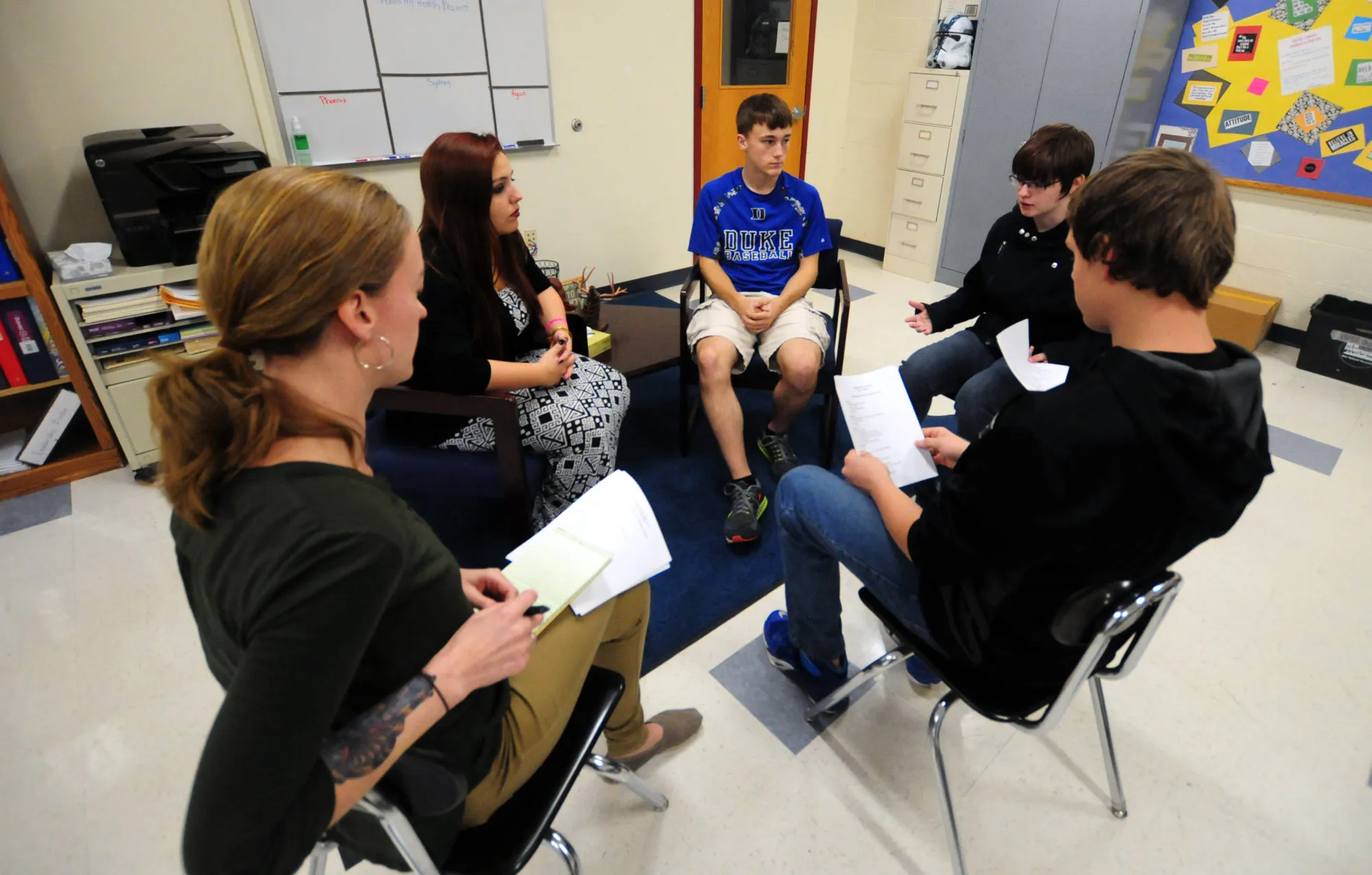
Schools are not only places where students develop academic knowledge. They are also communities where young people learn to communicate, manage disagreements, build relationships, and take responsibility for their actions. When conflicts occur, educators have an opportunity to help students understand the impact of their behavior while maintaining a safe and supportive learning environment.
Restorative practices in schools offer a relationship-centered approach to building trust, addressing conflict, and repairing harm. Rather than focusing exclusively on punishment, restorative approaches encourage students to reflect on their choices, listen to others, take responsibility, and identify constructive ways to move forward.
These practices include everyday classroom conversations, community-building activities, restorative circles, and structured meetings following an incident. When implemented consistently, they can help schools strengthen relationships, encourage accountability, and create a more positive school climate.
This guide explains what restorative practices are, why they matter, how educators can use them, and what schools should consider when introducing a restorative approach.
What Are Restorative Practices in Schools?
Restorative practices are approaches that help people build and maintain positive relationships and respond constructively when those relationships are damaged. In education, they are used to strengthen school communities, address harmful behavior, encourage responsibility, and support the process of repairing harm.
The approach is based on the idea that behavior affects other people and that students can learn from mistakes when they are given appropriate guidance and opportunities to make things right.
Restorative practices can be proactive or responsive.
Proactive restorative practices help build relationships before problems occur. Examples include classroom circles, respectful communication, shared classroom agreements, and regular opportunities for students to express their concerns.
Responsive restorative practices are used after conflict or harm has occurred. They may involve guided conversations, structured restorative conferences, reflection activities, and agreed steps to repair relationships where appropriate.
For example, if a student repeatedly interrupts classmates, a teacher might discuss how the behavior affects others, help the student identify alternative actions, and establish a plan for participating more respectfully.
The purpose is not simply to avoid consequences. It is to combine appropriate accountability with opportunities for learning, responsibility, and positive change.
Why Are Restorative Practices Important in Education?
School relationships influence how students experience learning, communicate with teachers, and participate in their communities. Restorative practices give educators a framework for strengthening these relationships while responding thoughtfully to challenging behavior.
1. They Build Stronger Relationships
Students are more likely to engage positively when they feel respected and believe that adults will listen to their concerns. Regular opportunities for meaningful conversation can help students and teachers understand one another better.
Restorative approaches encourage educators to communicate with students rather than relying exclusively on directives. This can create opportunities to identify concerns early and resolve minor disagreements before they develop into more serious problems.
2. They Encourage Accountability
Accountability means understanding what happened, recognizing its effects, and taking appropriate responsibility. Restorative conversations can help students move beyond simply accepting a punishment toward understanding how their actions affected other people.
For instance, a student who damages a classmate’s project might be asked to explain what happened, consider the impact, and participate in an appropriate plan to repair the damage.
The response should be proportionate to the behavior and suitable for the student’s age and circumstances.
3. They Support a Positive School Climate
A positive school climate depends on trust, fairness, inclusion, and clear expectations. Restorative practices can reinforce these qualities by encouraging respectful communication and providing structured ways to address conflict.
When students understand that mistakes will be addressed fairly and that they will have opportunities to learn from them, the school can create a stronger foundation for positive relationships.
4. They Develop Social and Emotional Skills
Restorative conversations can help students practise empathy, emotional awareness, active listening, problem-solving, and responsible decision-making.
These skills are valuable during disagreements, group projects, classroom discussions, and everyday interactions with peers.
5. They Can Support Fairer Discipline
Traditional disciplinary responses may focus mainly on the rule that was broken and the consequence that follows. Restorative approaches add questions about the harm caused, the needs of those affected, and the steps required to prevent further problems.
They can complement established discipline policies by giving educators additional ways to address behavior and support students. Restorative practices should not be treated as a guarantee of reduced misconduct or as a reason to ignore serious safety concerns.
8 Practical Restorative Practices Teachers Can Use in the Classroom
Restorative practices do not always require formal meetings or specialist programs. Educators can begin with small, consistent routines that encourage respect and communication.
1. Establish Shared Classroom Agreements
Classroom agreements help students understand how their behavior affects the learning community. Instead of presenting every expectation as a rule imposed by the teacher, educators can invite students to contribute ideas about what makes a classroom safe, respectful, and productive.
A teacher might ask:
- How should we treat one another during discussions?
- What helps everyone feel comfortable asking questions?
- How can we handle disagreements respectfully?
- What should we do when someone makes a mistake?
- How can we repair harm when our actions affect someone else?
The teacher can guide the discussion and establish clear boundaries while giving students an appropriate role in shaping classroom expectations.
Once the agreements are established, the class can revisit them regularly. If a problem occurs, the teacher can connect the discussion to the shared expectations and help students identify a better way forward.
2. Use Restorative Circles
Restorative circles bring students or staff together in a structured setting to listen, share perspectives, and build understanding. They can be used proactively to strengthen classroom relationships or responsively when a suitable situation requires a guided discussion.
A proactive classroom circle might focus on welcoming new students, discussing shared goals, reflecting on a group project, or identifying ways to improve cooperation.
Teachers should establish clear guidelines, including listening without interruption, speaking respectfully, and allowing participants to pass when appropriate.
A simple circle might follow this structure:
- Explain the purpose and expectations.
- Invite each participant to share a response to a prepared question.
- Encourage attentive listening without judgment.
- Identify common concerns or ideas.
- Agree on practical next steps when necessary.
Restorative circles should be facilitated carefully. They are not suitable for every incident, and students should never be pressured to disclose sensitive experiences in front of classmates.
3. Practise Active Listening
Active listening helps educators understand students’ experiences before deciding how to respond. It involves giving attention, asking clarifying questions, and checking that the speaker’s meaning has been understood.
When a student reports a disagreement, a teacher might say, “Tell me what happened from your perspective,” followed by, “What was the most difficult part for you?”
The teacher can then summarize what they heard and ask whether the summary is accurate.
This approach does not mean automatically agreeing with every statement. It means gathering information respectfully before determining what action is appropriate.
Students can also practise active listening in pairs or small groups. These activities help them learn to recognize different viewpoints and communicate without immediately becoming defensive.
4. Use Affective Statements
Affective statements describe how a person’s actions affect others and help communicate feelings without labeling someone as a bad person.
For example, instead of saying, “You are disrespectful,” a teacher might say, “I felt concerned when you interrupted your classmate because everyone needs an opportunity to share their ideas.”
This language focuses on the behavior and its impact rather than attacking the student’s character.
Students can learn to use similar statements when explaining how an interaction affected them. The aim is to encourage honest communication, emotional awareness, and responsibility.
Affective statements should be genuine and proportionate. Adults should avoid using them to shame students publicly or pressure them into feeling a particular emotion.
5. Ask Restorative Questions After a Problem
Restorative questions help students reflect on an incident and consider what needs to happen next. They are particularly useful when a student has broken a classroom agreement or caused harm.
Educators might ask:
- What happened from your point of view?
- What were you thinking or feeling at the time?
- Who was affected by what happened?
- How do you think the situation affected them?
- What could you do differently next time?
- What would help repair the harm, if repair is possible?
The questions should be asked calmly and without assuming that the student is automatically responsible for every part of a disagreement.
For example, after a group project dispute, a teacher might help students identify how communication broke down and agree on a clearer way to divide responsibilities.
The goal is to support reflection and meaningful next steps, not to force a confession or obtain an apology.
6. Teach Conflict Resolution Skills
Students benefit from learning how to disagree without insults, threats, or physical aggression. Restorative practices provide opportunities to teach these skills before conflicts become serious.
Teachers can model a simple process:
- Pause and allow everyone to calm down.
- Describe the problem without personal attacks.
- Listen to each person’s perspective.
- Identify the needs or concerns involved.
- Consider possible solutions.
- Agree on a reasonable next step.
Role-playing activities can help students practise this process in low-pressure situations.
However, not every conflict should be treated as a disagreement between equally responsible students. Bullying, coercion, harassment, abuse, and serious power imbalances require appropriate protective responses rather than automatic mediation.
7. Create Opportunities to Repair Harm
Restorative practices emphasize taking practical steps to address the effects of harmful behavior.
The appropriate response depends on what happened and what the affected person needs. Repair might involve replacing a damaged item, correcting misinformation, completing an agreed responsibility, or changing a behavior that disrupted the classroom.
For example, if a student damages shared classroom materials, an appropriate plan might include helping restore or replace the materials and agreeing on how to handle them responsibly in the future.
Repair should be meaningful, safe, and proportionate. It should not involve humiliating the student, forcing the affected person to accept an apology, or requiring contact that could cause additional harm.
8. Hold Regular Relationship-Building Check-Ins
Restorative practices are more effective when relationship-building occurs before a serious incident. Short check-ins can help teachers understand how students are feeling and identify concerns that might otherwise go unnoticed.
A check-in might involve asking students what is going well, what is challenging them, or what support would help them participate more confidently.
Teachers can also use private conversations to check on students who appear withdrawn, frustrated, or disconnected.
These routines do not need to take up an entire lesson. A brief conversation or reflection activity can provide useful information and help students feel that their experiences matter.
How to Use Restorative Practices After Student Conflict
When a conflict occurs, educators need a clear process that protects safety, gathers information, and identifies an appropriate response.
Step 1: Make Sure Everyone Is Safe
If there is a threat, physical aggression, serious harassment, or another safeguarding concern, staff should take immediate steps to protect students and follow school procedures.
Do not begin a restorative meeting while students are distressed, unsafe, or unable to participate freely.
Step 2: Listen to the People Involved Separately When Appropriate
Give each student a suitable opportunity to explain what happened. Avoid assuming that the first account provides the complete picture.
Private conversations can help educators understand the situation without creating additional pressure or embarrassment.
Step 3: Identify the Type and Severity of the Incident
Consider whether the incident involved a minor disagreement, a repeated pattern of harmful behavior, bullying, discrimination, threats, or another serious concern.
This assessment matters because restorative approaches are not appropriate as the sole response to every situation.
Step 4: Decide Whether a Restorative Conversation Is Suitable
A restorative conversation may be useful when participants can engage voluntarily and safely, understand the purpose, and communicate without intimidation.
A trained facilitator may be needed for more complex situations. The affected student should not be pressured to participate, meet with the other student, or accept an apology.
Step 5: Focus on Impact and Responsibility
If a restorative process is appropriate, the facilitator can help participants explain what happened, consider the impact, identify needs, and explore ways to address the harm.
The conversation should remain respectful and should not become an opportunity for blame, intimidation, or public humiliation.
Step 6: Agree on Practical Next Steps
Where appropriate, participants can agree on actions such as replacing damaged property, correcting a harmful statement, respecting boundaries, or following a revised plan for working together.
The agreement should be clear, realistic, and consistent with school policies.
Step 7: Follow Up
Check whether agreed actions have been completed and whether the affected student feels safe. If the behavior continues or new information emerges, the school should reassess the situation and take further action as needed.
Follow-up helps ensure that restorative practices lead to real improvements rather than ending with a conversation alone.
The Role of School Leaders in Restorative Practices
Restorative practices are difficult to sustain if individual teachers are expected to implement them without school-wide support. Leaders play an important role in establishing expectations, providing resources, and aligning restorative approaches with existing policies.
Develop a Clear School-Wide Framework
School leaders should explain what restorative practices mean in their setting, which situations they may be used for, and how they fit within the school’s discipline and safeguarding procedures.
A clear framework helps staff avoid treating restorative approaches as an informal alternative that depends entirely on individual preference.
Provide Staff Training
Educators may need training in restorative questions, facilitation, conflict resolution, emotional regulation, and responding to harmful behavior.
Training should include realistic scenarios and opportunities to practise difficult conversations. Staff should also understand when a restorative approach is unsuitable and when specialist support is required.
Allocate Time and Resources
Meaningful restorative conversations require time, preparation, and sometimes a trained facilitator. Schools should consider how staff can access support without disrupting essential teaching and safeguarding responsibilities.
Leaders should avoid introducing a new approach without considering staff workload and implementation needs.
Engage Students and Families
Students and families should understand the school’s approach to accountability, relationship-building, and responding to harm.
Schools can share clear explanations through meetings, student handbooks, family communications, and appropriate workshops. Listening to community concerns also helps leaders adapt practices to local needs.
Monitor Fairness and Consistency
Leaders should review how restorative practices are being used across classrooms and student groups. They should consider whether some students receive more opportunities for supportive interventions than others and whether responses reflect the severity of incidents.
Regular review helps schools identify inconsistencies and improve implementation.
How Restorative Practices Support Positive School Climate
A positive school climate depends on more than the absence of conflict. Students need to feel that they belong, that adults treat them fairly, and that they can raise concerns without fear of humiliation.
Restorative practices can support this environment in several ways.
They encourage belonging. Relationship-building activities help students feel connected to classmates and teachers.
They promote respectful communication. Students practise listening, expressing feelings, and understanding different perspectives.
They strengthen accountability. Students are encouraged to consider the effects of their actions and take appropriate responsibility.
They provide structured responses to conflict. Clear procedures help staff respond consistently while considering the needs of those affected.
They support student participation. Students can contribute to classroom agreements and appropriate discussions about improving their learning environment.
These benefits are most likely to develop when restorative practices are used consistently and combined with clear expectations, appropriate discipline, and effective student support.
Restorative Practices Versus Traditional Discipline
Restorative practices and traditional disciplinary responses are sometimes presented as opposites, but schools may use elements of both. The important question is whether the response protects safety, addresses the behavior, and supports an appropriate path forward.
Traditional disciplinary approaches often emphasize rules, consequences, and the authority of school staff. Restorative approaches place additional emphasis on relationships, impact, accountability, and repairing harm.
For example, after a student damages school property, a disciplinary response might apply an established consequence. A restorative response may also help the student understand who was affected and agree on a practical way to repair the damage.
A school can combine these approaches when appropriate. Serious misconduct may require formal consequences, safeguarding action, or removal from a dangerous situation, while restorative practices may be considered later if they are safe and suitable.
Restorative practice should not mean that students avoid accountability. Instead, it provides another way to understand the impact of behavior and support responsible change.
Common Challenges When Implementing Restorative Practices
Schools may encounter difficulties when introducing a restorative approach. Recognizing these challenges helps educators plan realistically.
Limited Staff Training
Without appropriate preparation, staff may confuse restorative conversations with simply asking students to apologize.
Practical response: Provide training, model effective conversations, and create opportunities for staff to discuss challenging cases with qualified colleagues.
Inconsistent Implementation
If some teachers use restorative practices regularly while others rely on entirely different responses, students may experience the system as confusing or unfair.
Practical response: Establish shared principles, clear procedures, and regular opportunities to review practice.
Limited Time
Teachers may struggle to facilitate conversations during a busy school day.
Practical response: Use brief proactive check-ins for routine relationship-building and reserve longer meetings for situations that require them. Provide designated staff support for complex cases.
Resistance to Change
Some staff, students, or families may worry that restorative practices are too lenient or that they reduce accountability.
Practical response: Explain that restorative approaches aim to combine support with responsibility. Share examples of clear agreements, appropriate consequences, and follow-up.
Unsuitable Use in Serious Incidents
A restorative meeting may be unsafe or inappropriate when there is coercion, a significant power imbalance, ongoing abuse, or a risk of retaliation.
Practical response: Prioritize safety, follow safeguarding procedures, and involve trained professionals. Do not force affected students to participate in reconciliation.
Difficulty Measuring Results
Schools may focus on the number of meetings held rather than whether relationships, student experiences, or behavior improve.
Practical response: Use multiple indicators and review results over time, including feedback from students, staff, and families.
How to Measure the Success of Restorative Practices
Evaluating restorative practices helps schools understand whether implementation is effective and where improvements are needed.
Schools can review several indicators:
- Student belonging: Do students report feeling accepted and connected to school?
- Relationship quality: Do students feel comfortable approaching trusted adults?
- Conflict resolution: Are students developing stronger communication and problem-solving skills?
- Disciplinary patterns: Are referrals, suspensions, or repeated incidents changing over time?
- Fairness: Are practices applied consistently across classrooms and student groups?
- Staff confidence: Do educators feel prepared to use restorative approaches appropriately?
- Follow-up outcomes: Are agreements completed, and are concerns being resolved safely?
- Family feedback: Do families understand the approach and know how to raise concerns?
Schools can use surveys, interviews, focus groups, incident records, and staff reflections to collect information.
It is important to interpret results carefully. A rise in reported incidents may reflect improved trust in reporting systems rather than an increase in harmful behavior. Likewise, a reduction in suspensions does not automatically prove that relationships or student safety have improved.
Restorative practices also require time and sustained implementation. Schools should avoid expecting major changes after only a few meetings or classroom activities.
A Practical 30-Day Plan for Introducing Restorative Practices
Schools interested in beginning a restorative approach can start with a manageable plan and build from there.
Week 1: Review Current Practices
Examine classroom expectations, discipline procedures, staff training, and student feedback. Identify common challenges and determine where relationship-building or restorative conversations might be appropriate.
Clarify which existing safeguarding and discipline procedures must remain in place.
Week 2: Introduce Relationship-Building Activities
Begin with simple practices such as welcoming students, using affective statements, establishing shared classroom agreements, and holding short check-ins.
Explain the purpose of these activities so students understand that participation is about building trust rather than preparing for punishment.
Week 3: Train Staff and Practise Restorative Questions
Provide staff with examples of restorative language and opportunities to practise listening, asking reflective questions, and identifying appropriate next steps.
Make sure staff know when they should refer a concern to a school leader, counselor, or safeguarding professional.
Week 4: Review Feedback and Plan Improvements
Ask students and staff what they have found helpful and where difficulties remain. Review early implementation, identify training needs, and decide which practices should become regular routines.
This first month establishes a foundation. Sustainable implementation requires continued leadership support, staff development, and regular evaluation.
Frequently Asked Questions
What are restorative practices in schools?
Restorative practices in schools are approaches that build positive relationships, strengthen communication, and help address harm when conflict occurs. They may include classroom circles, restorative questions, guided conversations, and structured conferences.
What is the main goal of restorative practices?
The main goal is to build and maintain healthy relationships while responding constructively when harm occurs. Restorative approaches encourage reflection, accountability, understanding of impact, and appropriate steps to repair harm.
Do restorative practices replace school discipline?
No. Restorative practices can complement school discipline policies, but they do not remove the need for clear expectations, appropriate consequences, or safeguarding action. Serious incidents may require formal disciplinary procedures and specialist intervention.
How can teachers use restorative practices in the classroom?
Teachers can establish shared classroom agreements, use respectful and affective language, practise active listening, hold community-building circles, and ask reflective questions after appropriate incidents. The approach should match the students’ needs and the seriousness of the situation.
Are restorative practices suitable for every conflict?
No. They may be useful for many classroom disagreements and some incidents involving harm, but they are not suitable in every situation. Bullying, abuse, threats, coercion, or significant power imbalances may require protective procedures and specialist support before any restorative process is considered.
How long does it take for restorative practices to make a difference?
Some relationship-building routines can begin immediately, but school-wide changes generally require sustained effort. Staff training, consistent implementation, leadership support, and regular evaluation are important for developing lasting improvements.
How can schools measure whether restorative practices are working?
Schools can examine student and staff feedback, school climate surveys, disciplinary patterns, repeat incidents, the quality of relationships, and whether agreed actions are completed. Multiple measures provide a more complete picture than any single statistic.
Conclusion
Restorative practices in schools offer educators a practical framework for building relationships, addressing conflict, and helping students take responsibility for their actions. Through shared classroom agreements, restorative circles, active listening, reflective questions, and appropriate efforts to repair harm, teachers can help create a more respectful and supportive learning environment.
Successful implementation requires more than asking students to apologize after a disagreement. Schools need clear procedures, staff training, leadership support, meaningful student participation, and ongoing evaluation.
Restorative practices should always be balanced with appropriate consequences and a strong commitment to student safety. When educators use them thoughtfully and consistently, these approaches can contribute to stronger relationships, improved communication, and a school community where students are supported in learning from mistakes and making more responsible choices.
Leave a Reply