How Schools Can Build Inclusive Extracurricular Programs
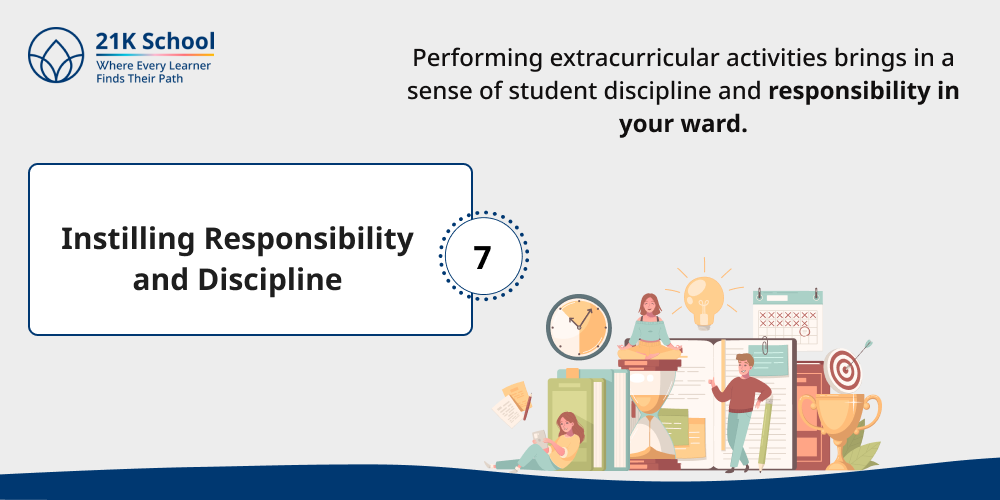
Extracurricular activities give students valuable opportunities to discover their interests, develop new skills, build friendships, and participate in school life beyond the classroom. Sports teams, music clubs, drama groups, debate societies, coding clubs, art workshops, and volunteer projects can help students explore their strengths while developing confidence and a sense of belonging. However, not every student has the same opportunity… Continue reading How Schools Can Build Inclusive Extracurricular Programs

Teaching Conflict Resolution Skills in Schools

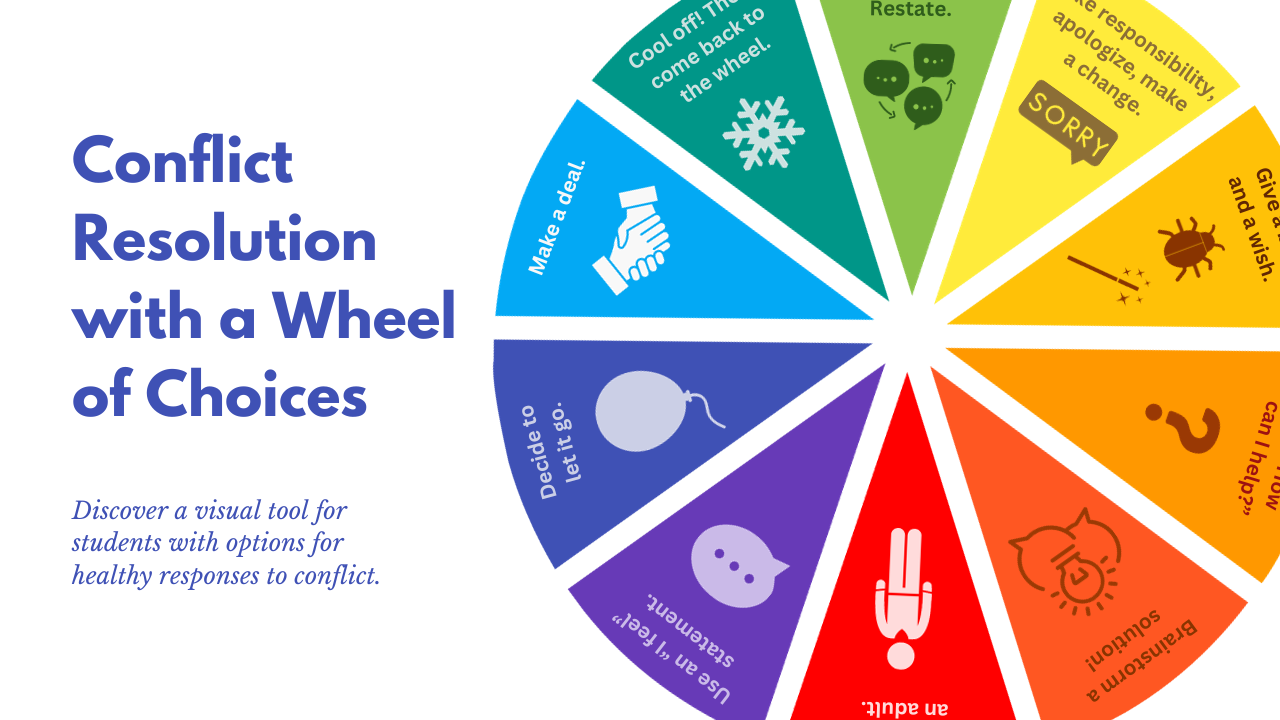
Conflict is a natural part of school life. Students may disagree about group assignments, misunderstand a classmate’s intentions, compete for opportunities, or struggle to express their feelings calmly. Although disagreements are common, the way students respond to them can affect their friendships, classroom participation, emotional well-being, and overall learning experience. Schools have an important opportunity to teach students how to… Continue reading Teaching Conflict Resolution Skills in Schools

How Classroom Seating Arrangements Influence Collaboration

Classroom seating arrangements play an important role in shaping how students communicate, share ideas, and work together. The way desks and chairs are organized can influence whether learners interact easily with classmates, participate in discussions, and feel comfortable contributing to group activities. For teachers, choosing the right classroom layout is therefore an important part of creating an effective learning environment.… Continue reading How Classroom Seating Arrangements Influence Collaboration

Supporting Students During School Transitions

Changing schools can be an important turning point in a student’s educational journey. Whether a child is moving to a new elementary school, entering middle school, starting high school, or relocating to another community, the transition can bring new opportunities as well as uncertainty. Students may need to adjust to unfamiliar teachers, different academic expectations, new friendships, and changes in… Continue reading Supporting Students During School Transitions

How to Run Productive Parent-Teacher Conferences

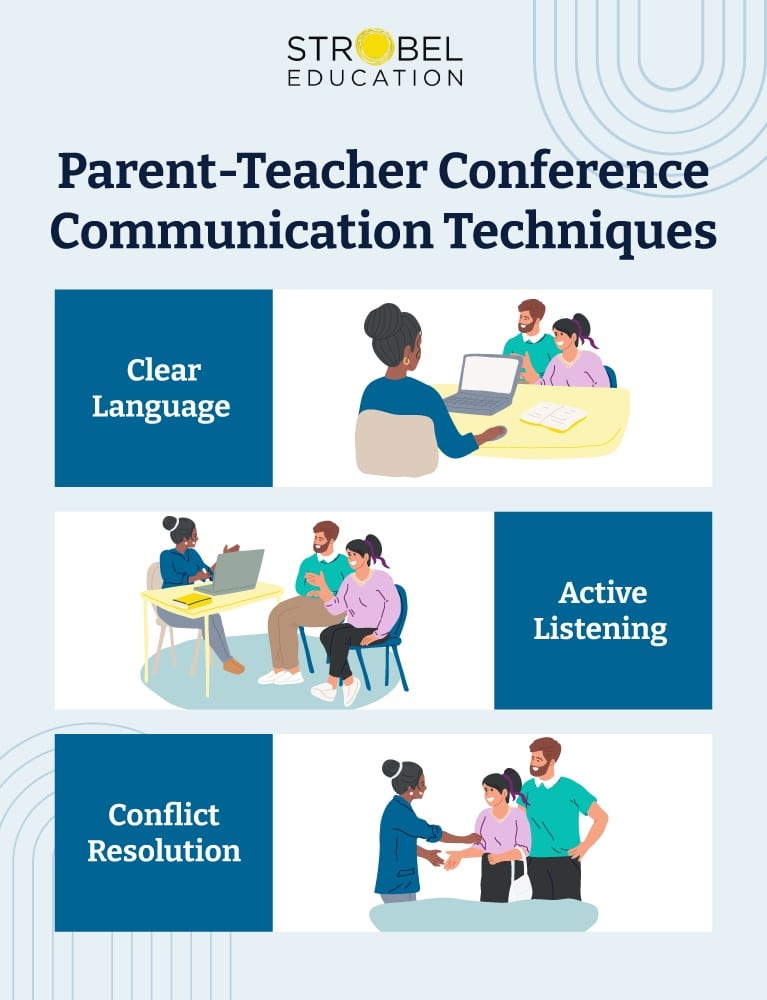
Parent-teacher conferences are an important opportunity for families and educators to work together to support student learning. These meetings allow teachers to explain academic progress, discuss classroom behavior, recognize student strengths, and identify areas where additional support may be needed. Parents and guardians can share valuable insights about their children’s interests, challenges, learning habits, and experiences outside school. However, a… Continue reading How to Run Productive Parent-Teacher Conferences

Building Effective Teacher Mentoring Programs for New Educators

Starting a teaching career can be both exciting and challenging. New educators must learn how to manage classrooms, plan engaging lessons, assess student progress, communicate with families, and navigate school policies. Although teacher preparation programs provide an important foundation, many practical skills develop through classroom experience and ongoing professional guidance. Teacher mentoring programs for new teachers help bridge the gap… Continue reading Building Effective Teacher Mentoring Programs for New Educators

How Schools Can Support Substitute Teachers

Substitute teachers play an important role in keeping schools running smoothly when regular teachers are absent. They help maintain classroom routines, support student learning, and ensure that educational activities continue with as little disruption as possible. However, stepping into an unfamiliar classroom can be challenging, particularly when substitute teachers have limited information about students, lesson plans, school procedures, and classroom… Continue reading How Schools Can Support Substitute Teachers

Reducing Teacher Workload With Better School Systems

Teachers play a central role in student learning, but their responsibilities extend far beyond classroom instruction. Lesson planning, grading, attendance records, parent communication, meetings, reporting requirements, and administrative paperwork can consume hours that teachers could otherwise spend improving instruction and supporting students. Finding effective strategies to reduce teacher workload is therefore an important priority for school leaders who want to improve… Continue reading Reducing Teacher Workload With Better School Systems

How to Create a More Effective School Timetable

A well-designed school timetable does more than organize lessons into time slots. It determines how teachers use their working hours, how students experience the school day, and how effectively a school uses its classrooms, laboratories, and other learning resources. When schedules are poorly planned, schools may experience overlapping classes, uneven teacher workloads, rushed transitions, and long periods of student fatigue.… Continue reading How to Create a More Effective School Timetable

Understanding the School Accreditation Process: A Complete Guide

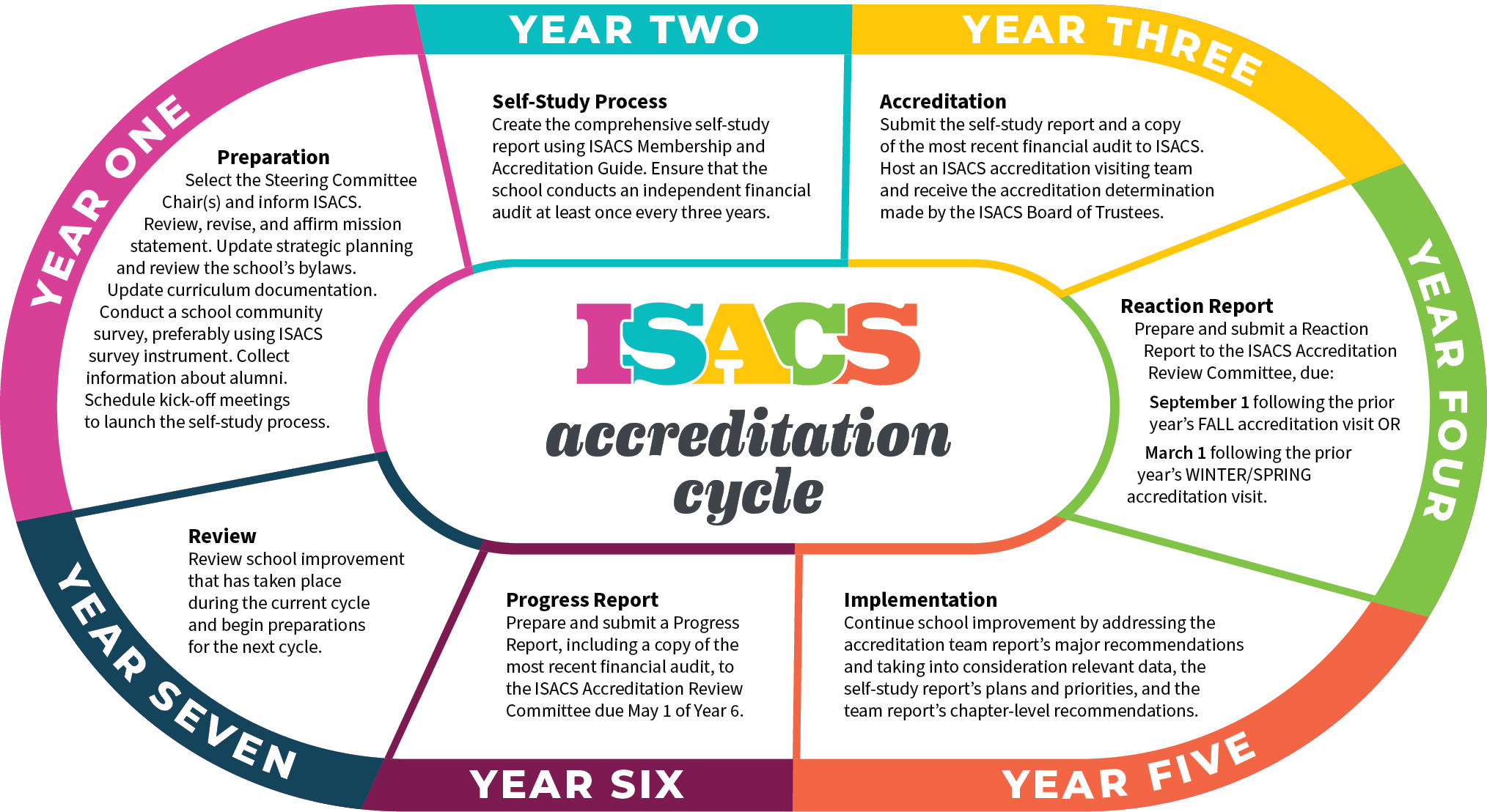
School quality plays a major role in student achievement, teacher effectiveness, and family confidence. However, how can parents and education professionals determine whether a school meets established educational standards? One important way is through accreditation. Understanding the school accreditation process explained in this guide can help school leaders, teachers, parents, and education professionals recognize how external evaluations support educational quality and… Continue reading Understanding the School Accreditation Process: A Complete Guide